Recognizing the Advantages of Lab Grown Diamond Interaction Rings in Today's Market
Lab-grown Diamond involvement rings are coming to be increasingly popular in today's market. These options to extracted rubies offer a series of advantages that appeal to modern consumers. From ecological sustainability to set you back financial savings, lab-grown rubies present a compelling selection. Their boosted high quality and customization alternatives additionally add to their appeal. The expanding interest elevates inquiries regarding the effects of these choices. What variables should couples take into consideration when going with lab-grown over conventional rubies?
The Ecological Benefits of Lab-Grown Diamonds
As consumers significantly focus on sustainability, lab-grown diamonds emerge as an engaging choice to their mined equivalents. These synthetic treasures are generated in regulated settings, considerably decreasing the eco-friendly impact connected with standard Diamond mining. The extraction of natural rubies commonly results in habitat destruction, soil disintegration, and water contamination, ruining local communities. On the other hand, lab-grown diamonds need less land and water, minimizing source exhaustion.
The energy used in the creation of lab-grown rubies can be sourced from eco-friendly energy, more reducing their ecological impact. This process not just curbs carbon emissions yet also advertises sustainable practices within the fashion jewelry industry. Consumers who choose lab-grown diamonds add to a much more honest and eco-friendly market, straightening their getting selections with their values. In general, lab-grown rubies offer a remedy that harmonizes luxury with ecological obligation, attracting a growing demographic concerned regarding sustainability.
Cost-Effectiveness of Lab-Grown Interaction Rings
While lots of pairs seek to stabilize high quality and budget plan when choosing involvement rings, lab-grown rubies provide an affordable choice without endangering on charm or toughness. Usually valued 20-40% less than their all-natural equivalents, lab-grown rubies allow couples to allot their budget extra flexibly, making it possible for bigger carat weight dimensions or better stones for the very same rate. This price does not diminish the aesthetic appeal; lab-grown rubies display the very same sparkle and clearness as mined rubies, thanks to similar chemical and physical properties. In addition, the marketplace for lab-grown diamonds is increasing, bring about affordable prices and increased schedule. Couples can also enjoy a bigger series of styles and setups without the financial pressure usually linked with conventional rubies. In general, lab-grown engagement rings provide an appealing economic option, making them progressively popular amongst modern pairs who focus on both expense and quality in their purchasing choices.
Ethical Factors To Consider in Picking Lab-Grown Diamonds
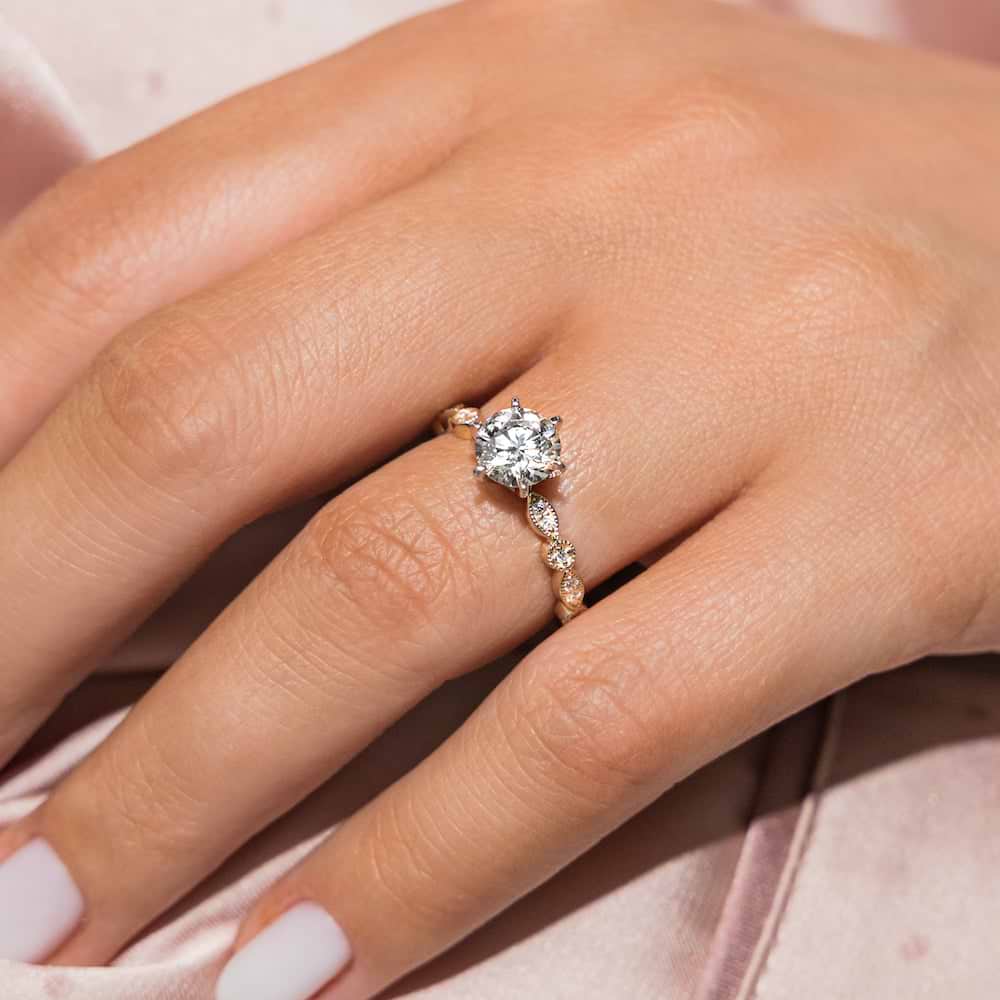
Customers are increasingly concerned regarding the beginnings of their acquisitions, and lab-grown diamonds provide a transparent supply chain. Each Diamond includes certification outlining its production procedure, making sure customers can make educated selections. Furthermore, the manufacturing of these diamonds usually utilizes renewable energy sources, additionally lining up with eco-conscious worths. For individuals focusing on moral intake, lab-grown rubies provide a responsible alternative that merges luxury with moral stability, appealing to contemporary sensibilities in interaction ring selections.

Top quality and Appeal: Contrasting Lab-Grown and Mined Diamonds
The contrast between lab-grown and mined rubies exposes notable distinctions in visual characteristics and durability. Lab-grown rubies commonly exhibit premium clearness and shade consistency, while mined rubies can present special inclusions and variants. Additionally, both kinds share the very same hardness, making them similarly suitable for interaction rings.
Aesthetic Qualities Contrast
Exactly how do lab-grown rubies contrast to their mined counterparts regarding visual characteristics? Both kinds of diamonds share similar physical and chemical homes, making it testing to distinguish between them without customized devices. Lab-grown rubies often display less imperfections and incorporations, leading to superior clarity. Furthermore, they can be generated in a broader series of colors, enabling one-of-a-kind personalization choices. While extracted diamonds are treasured for their natural origin and viewed rarity, lab-grown diamonds can accomplish equivalent elegance and brilliance, typically at a reduced price. Inevitably, the choice between the 2 may come down to personal choice, however aesthetically, lab-grown rubies stand as an engaging alternative, boasting quality that rivals their all-natural counterparts.
Longevity and Hardness Factors
While both lab-grown and mined rubies possess outstanding longevity, their solidity continues to be a specifying particular that emphasizes their viability for everyday wear. Diamonds are rated a 10 on the Mohs range of mineral solidity, making them the hardest all-natural product understood (lab grown diamond engagement rings). This characteristic warranties that both types of diamonds resist scraping and preserve their radiance over time. Lab-grown rubies, developed under regulated conditions, exhibit the exact same firmness and physical properties as their extracted counterparts. As a result, they offer a resilient and appealing option for involvement rings. Customers can confidently pick either type, recognizing that both provide long-lasting high quality. Ultimately, the selection between lab-grown and mined diamonds might come down to individual worths instead of distinctions in durability or solidity
Modification Options for Lab-Grown Diamonds
Lab-grown rubies offer a large range of customization options that cater to specific preferences. From one-of-a-kind style opportunities to different color and cut selections, these diamonds can be customized to match any type of individual style. This degree of customization assurances that each engagement ring can show the distinct preferences of the user.
Distinct Style Possibilities
Plenty of design opportunities wait for those interested in lab-grown Diamond involvement rings, allowing pairs to express their distinct love tales. With the flexibility of lab-grown rubies, designers can discover a variety of designs, from classic solitaires to detailed vintage settings. Pairs can select from different shapes, such as round, princess, or emerald cuts, each offering an unique character. In addition, the ability to pick unique metal kinds, consisting of white gold, increased gold, or platinum, more enhances customization. Lab-grown diamonds can likewise be fairly sourced in numerous carat weight weights, allowing pairs to locate the perfect balance between size and budget plan. This adaptability permits each ring to mirror the individual tastes and preferences of the couple, making it a really individual symbol of their commitment.
Personalization for Every Style
The flexibility of lab-grown diamonds expands past one-of-a-kind layout opportunities, offering extensive customization choices to match every pair's design. Pairs can select from different settings, steels, and band styles, guaranteeing that their engagement ring reflects their individuality. Alternatives vary from timeless solitaires to contemporary halo designs, permitting personal expression in every selection. In addition, pairs can pick certain attributes such as inscription, adding sentimental worth and originality to their rings. The ability to personalize warranties that each ring is not just a representation of love but additionally a representation of personal preference and way of life. This level of personalization makes lab-grown rubies an attractive choice for those looking for a distinctive and significant engagement ring.
Color and Cut Choices
Engagement rings featuring lab-grown diamonds supply a spectacular array of color and cut selections that improve their allure and originality. Unlike typical rubies, lab-grown choices can be generated in an extensive array of shades, consisting of pink, blue, and yellow, enabling pairs to choose an uniquely individual touch. These vibrant shades can work as a purposeful depiction of love and commitment.
Lab-grown diamonds come in different cuts, consisting of oval, round, and princess, each contributing to the rock's brilliance and visual allure. This versatility makes it possible for pairs to personalize their rings to mirror their choices and designs. Ultimately, the accessibility of diverse color and cut choices makes lab-grown Diamond involvement rings a popular choice for contemporary pairs looking for personalization.
Trends and Popularity of Lab-Grown Diamonds in 2023
As directory customers increasingly focus on you can check here sustainability and honest factors to consider in their purchasing choices, the popularity of lab-grown diamonds has surged in 2023. This year, the marketplace has seen a noteworthy change, with even more pairs choosing these diamonds as a result of their reduced ecological impact and transparent sourcing processes. Lab-grown diamonds are not only significantly extra economical than their mined equivalents, however they likewise use a range of designs and personalization options that interest modern-day customers.
Stores have actually replied to this growing trend by expanding their collections and emphasizing the unique top qualities of lab-grown stones, such as their brilliance and clearness. Social network and influencer endorsements have further amplified recognition, making lab-grown rubies a fashionable selection for involvement rings. As education and learning regarding the benefits proceeds to spread out, it is expected that the marketplace share of lab-grown rubies will remain to climb, strengthening their place in the jewelry industry.
Frequently Asked Inquiries
Exactly How Are Lab-Grown Diamonds Created in a Laboratory?
Lab-grown rubies are produced utilizing two primary approaches: High Pressure Heat (HPHT) resembles natural Diamond formation problems, while Chemical Vapor Deposition (CVD) uses gas to speed up carbon onto a substrate, creating diamonds layer by layer.
Do Lab-Grown Rubies Hold Their Worth With Time?
Lab-grown diamonds usually do not hold their value along with natural rubies. Market variations and customer perceptions influence resale prices, leading to reduced long-term value retention for lab-grown choices contrasted to their natural equivalents.
Can Lab-Grown Diamonds Be Resized Like Mined Diamonds?
Lab-grown diamonds can be resized similarly to extracted diamonds, as they have similar physical buildings. Jewelers commonly utilize standard strategies for resizing, making sure that both kinds of diamonds preserve their honesty and aesthetic charm throughout the procedure.
Are Lab-Grown Diamonds Available in Numerous Sizes And Shapes?
Lab-grown diamonds are undoubtedly readily available in a variety of shapes and dimensions. They can be personalized to satisfy specific preferences, supplying options like round, princess, oval, and emerald cuts, amongst others, guaranteeing varied options for customers.
How Do I Verify the Credibility of a Lab-Grown Diamond?
To confirm the credibility of a lab-grown Diamond, one should speak with a trustworthy gemologist or get a certification from an identified grading lab, which normally consists of information regarding the Diamond's beginning and features.
Lab-grown rubies are developed in regulated settings, removing the environmental devastation usually linked blog with typical Diamond mining. lab grown diamond engagement rings. Lab-grown rubies commonly show exceptional clearness and color consistency, while extracted rubies can offer special inclusions and variations. While extracted rubies are valued for their natural origin and perceived rarity, lab-grown rubies can achieve equivalent elegance and brilliance, typically at a reduced expense. Lab-grown diamonds generally do not hold their worth as well as all-natural diamonds. Lab-grown rubies can be resized likewise to mined rubies, as they have similar physical buildings